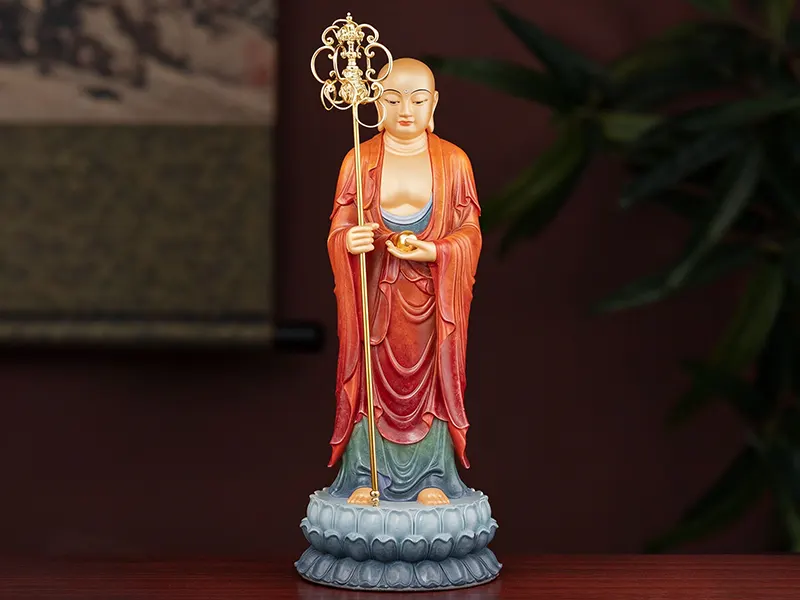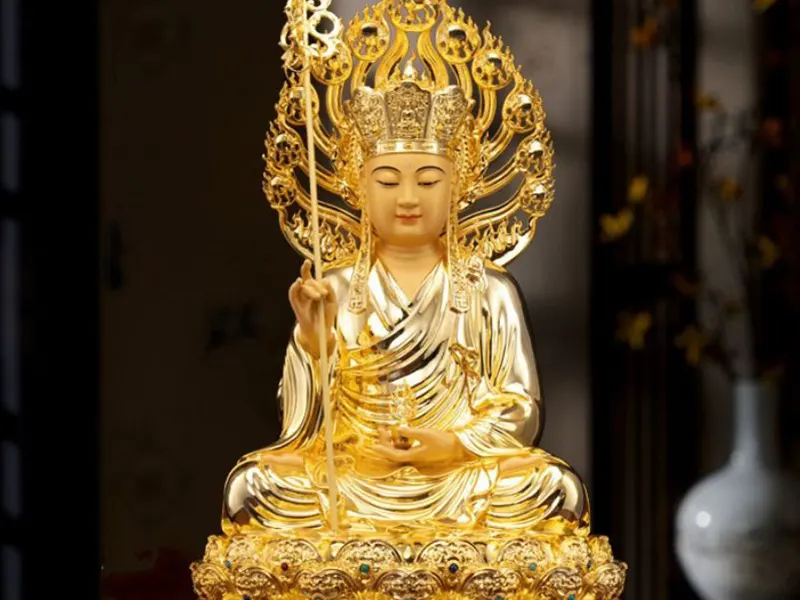

A Shakyamuni Buddha Statue is more than a decorative sculpture. Through posture, hand gestures, facial expression, clothing, materials, and craftsmanship, it can communicate important elements of Buddhist history and visual tradition. For collectors, temples, meditation spaces, cultural institutions, and thoughtful interior projects, understanding these details makes it easier to select a statue that is visually appropriate, culturally respectful, and built for long-term display.
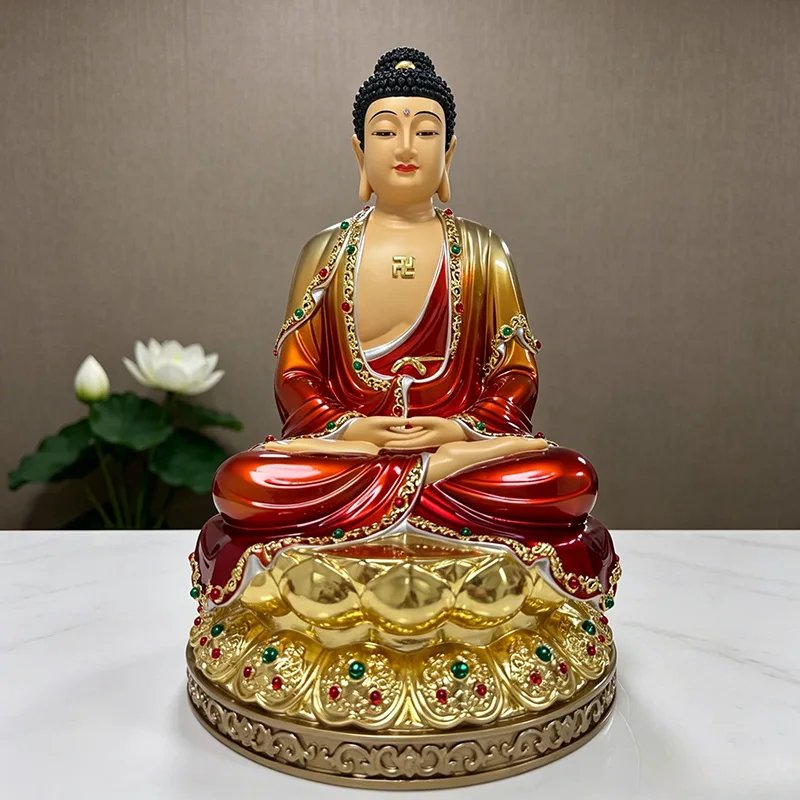
Choosing a Shakyamuni Buddha Statue requires more than comparing appearance and price. Buyers need to understand the identity of Shakyamuni Buddha, recognize common symbolic features, evaluate the statue's pose and mudra, select suitable materials and dimensions, and consider how craftsmanship affects its visual quality and durability. This guide explains these factors in a practical way so buyers can make a more informed decision for homes, meditation rooms, temples, cultural spaces, collections, and commercial interiors.
Shakyamuni Buddha refers to Siddhartha Gautama, the historical Buddha whose teachings became the foundation of Buddhism. In Buddhist art, representations of Shakyamuni are carefully constructed visual forms rather than generic images of a spiritual figure.
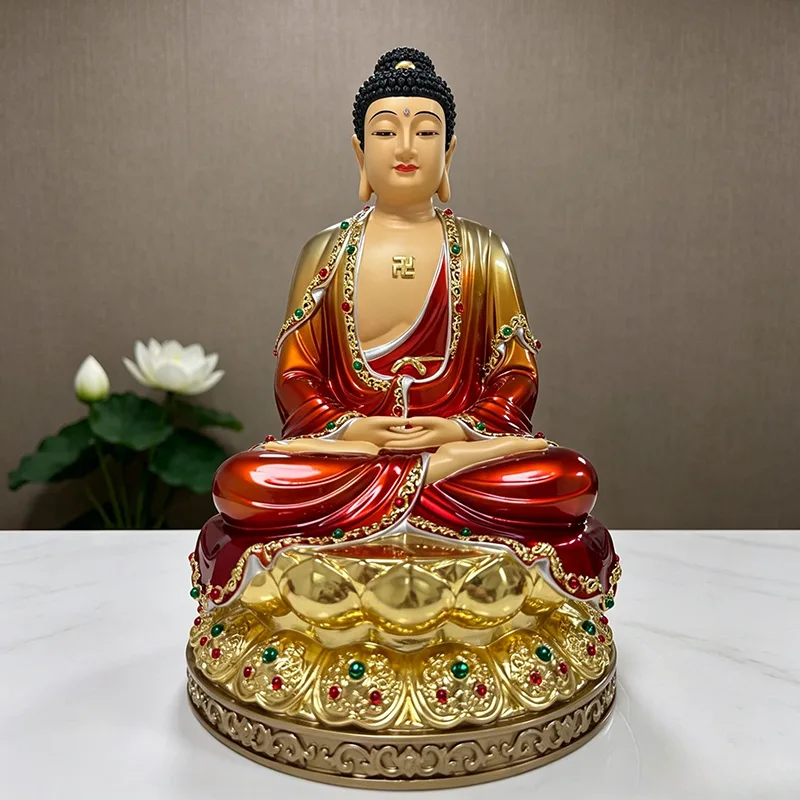
A traditional Shakyamuni Buddha Statue commonly presents the Buddha in a calm seated posture, often on a lotus pedestal. His expression is composed, his clothing resembles the simple robe of a Buddhist monk, and his hands may form recognizable mudras associated with meditation, teaching, or enlightenment.
The details matter because Buddhist sculpture uses visual language to communicate ideas. The pose, hands, clothing, facial expression, pedestal, and other attributes can help viewers understand which aspect of the Buddha's life or teachings the sculpture represents. Museum collections and established Buddhist art references similarly identify Shakyamuni through combinations of posture, robe, physical characteristics, and hand gestures.
One of the biggest challenges for first-time buyers is distinguishing Shakyamuni Buddha from other Buddhist figures. Product titles alone may not provide enough information, especially when similar seated sculptures are offered in different artistic styles.
A practical approach is to examine several features together rather than relying on a single detail.
| Feature | What to Look For | Why It Matters |
|---|---|---|
| Head | Ushnisha and stylized hair | Important characteristics in traditional Buddha imagery |
| Earlobes | Elongated earlobes | A commonly recognized visual feature |
| Clothing | Simple monastic robe | Helps distinguish a Buddha from richly adorned bodhisattva figures |
| Hands | Earth-touching or meditation gestures are common | The hand position provides important iconographic information |
| Posture | Seated meditation or other traditional forms | Shows the scene or symbolic state represented |
The combination of these characteristics is more reliable than judging a sculpture by its face alone. Different regions and artistic traditions naturally interpret the Buddha in different visual styles, so variations in facial proportions, robe treatment, pedestal design, and ornamentation do not necessarily indicate poor quality or incorrect identity.
A mudra is a symbolic hand gesture used in Buddhist art. For collectors and buyers, paying attention to the hands can reveal much more about a statue than its general appearance.
One of the most recognizable forms of Shakyamuni Buddha shows the right hand reaching toward the ground while the left hand rests in the lap. This is known as the Bhumisparsha, or earth-touching, mudra.
The gesture refers to the Buddha's enlightenment and his calling upon the earth as witness. It is particularly significant in representations of the Buddha at the moment of awakening beneath the Bodhi tree. Museum and educational sources describe this gesture as a key visual reference for identifying this episode in Shakyamuni's life.
Another common presentation places both hands together in the lap, creating a composed visual expression of meditation. Depending on the artistic tradition, a bowl or other attribute may also be represented.
Buyers should therefore examine the hands carefully when purchasing online. High-resolution photographs showing the front, side, and close-up views of the hands can help confirm the intended iconography and workmanship.
Material selection influences the appearance, weight, surface texture, maintenance requirements, and overall character of a Buddha statue. There is no single material that is universally best; the right choice depends on the intended environment, desired aesthetic, budget, and expected service life.
| Material | Typical Characteristics | Suitable Applications |
|---|---|---|
| Bronze | Durable, substantial, develops distinctive surface character | Temples, collections, gardens, cultural spaces |
| Brass | Warm metallic appearance and strong decorative appeal | Indoor displays, religious spaces, interior decoration |
| Wood | Natural texture and handcrafted character | Meditation rooms, traditional interiors, collections |
| Stone | Solid appearance and excellent architectural presence | Gardens, temples, landscape projects |
The material should also match the installation environment. Outdoor sculptures may require different considerations from indoor decorative pieces, particularly regarding moisture, temperature fluctuations, sunlight, surface treatment, and structural support.
A well-made Shakyamuni Buddha Statue should achieve more than a recognizable silhouette. Proportion, symmetry, facial expression, hand positioning, robe folds, lotus petals, surface finishing, and structural stability all contribute to the final result.
For buyers, the following details deserve particular attention:
Traditional Buddhist sculpture is particularly sensitive to proportion and iconographic details. A beautiful surface finish cannot fully compensate for poorly executed hands, distorted facial proportions, or an unstable structure.
Size is one of the most overlooked purchasing decisions. A statue that looks impressive in a product photograph may be too small for a large temple hall or too large for a compact meditation room.
Before ordering, measure the available area in three dimensions: height, width, and depth. Also consider the distance from which people will view the statue.
| Space | Possible Size Direction | Main Consideration |
|---|---|---|
| Desk or small shelf | Compact statue | Clear visibility without overwhelming the space |
| Meditation room | Medium-sized statue | Balanced focal point for contemplation |
| Large interior | Medium to large statue | Visual scale and viewing distance |
| Temple or architectural project | Project-specific dimensions | Structural support, transportation, installation, and proportion |
For larger projects, buyers should confirm packaging dimensions, shipping weight, installation requirements, access routes, and the load-bearing capacity of the final location before production is completed.
Placement should combine cultural respect, practical safety, and visual balance. Buddhist traditions vary by region and school, so there is no single universal placement rule for every household, temple, or cultural setting.
In general, a statue should be positioned on a clean, stable, elevated surface rather than directly on the floor. It should also have enough surrounding space that its form can be appreciated without being crowded by unrelated objects.
Price is important, but it should not be the only purchasing criterion. A lower initial price may become less attractive if the statue has poor detailing, inadequate packaging, unsuitable material, or limited customization options.
For professional buyers, requesting detailed product photographs, measurements, material specifications, and production information before placing an order can significantly reduce purchasing risks.
Proper maintenance helps preserve both the appearance and the fine details of a Buddha statue. The correct method depends on the material and surface treatment.
For valuable or highly detailed sculptures, professional restoration or specialist advice may be preferable to aggressive DIY cleaning. A small amount of careful maintenance is generally better than attempting to remove every change in surface character.
For buyers who need more than a standard decorative piece, Fuhui Art Collection Co., Ltd. focuses on the combination of artistic presentation, traditional cultural elements, detailed workmanship, and practical customer requirements.
When purchasing a Shakyamuni Buddha Statue for a professional project, communication is particularly important. Buyers may need specific dimensions, materials, finishes, quantities, packaging requirements, or visual details. A supplier capable of discussing these requirements before production can help reduce the gap between the reference image and the finished sculpture.
A professional purchasing process should include clear confirmation of the statue's dimensions, material, pose, surface treatment, packaging method, production details, and delivery requirements. This is especially important for custom orders and larger sculptures.
Attention to posture, facial expression, clothing, hand gestures, and decorative details.
Suitable for buyers who need product specifications aligned with a particular space or project.
Useful when standard dimensions or finishes cannot satisfy a project's requirements.
Clear product information helps buyers evaluate details before confirming an order.
It represents Shakyamuni Buddha, the historical Buddha associated with the awakening and teachings that form the foundation of Buddhism. Specific poses and gestures can represent particular moments or qualities associated with his life and teachings.
The seated figure using the Bhumisparsha mudra, with the right hand touching or reaching toward the earth, is one of the most recognizable representations of Shakyamuni's enlightenment.
No. Different Buddhas and Buddhist figures can share similar seated poses. Buyers should examine the hand gestures, objects, clothing, facial characteristics, and overall iconography rather than relying only on the seated position.
There is no universal answer. Bronze, brass, wood, stone, and other materials can be appropriate depending on the intended environment, size, visual style, maintenance requirements, and budget.
Customization depends on the manufacturer and project requirements. Possible specifications may include dimensions, material, surface finish, color treatment, pedestal design, and other artistic details. Buyers should confirm feasibility before production begins.
A clean, stable, elevated location is generally more appropriate than placing a Buddha statue directly on the floor. Because customs vary among Buddhist traditions and regions, religious institutions or practitioners should be consulted when a statue is intended for formal devotional use.
Ask about exact dimensions, weight, material, surface treatment, production time, packaging, transportation, installation requirements, customization options, and care instructions. For large sculptures, structural and logistical planning should be completed before production.
Selecting a Shakyamuni Buddha Statue is ultimately a balance between meaning, craftsmanship, visual harmony, practical requirements, and respect for Buddhist cultural traditions. Understanding the figure's iconography helps buyers distinguish Shakyamuni from other Buddhist figures, while careful evaluation of materials, proportions, workmanship, size, and placement helps ensure that the finished sculpture is appropriate for its intended environment.
Whether the project involves a private meditation room, home collection, temple, cultural exhibition, hospitality environment, garden, or large architectural installation, a carefully considered statue can serve as both an artistic centerpiece and a meaningful representation of Buddhist visual culture.
If you are planning a Buddhist art collection, temple project, cultural display, interior decoration project, or customized sculpture order, Fuhui Art Collection Co., Ltd. can help you discuss the appropriate style, dimensions, materials, and project requirements.
For product details, customization requirements, and project consultation, contact us to discuss your needs and find a suitable Shakyamuni Buddha Statue for your space.
-