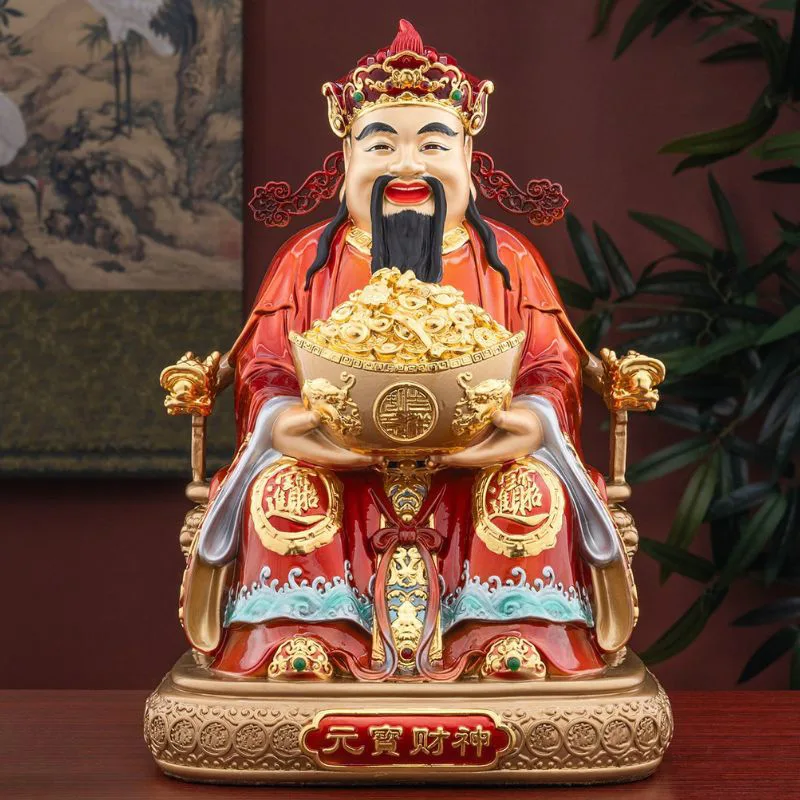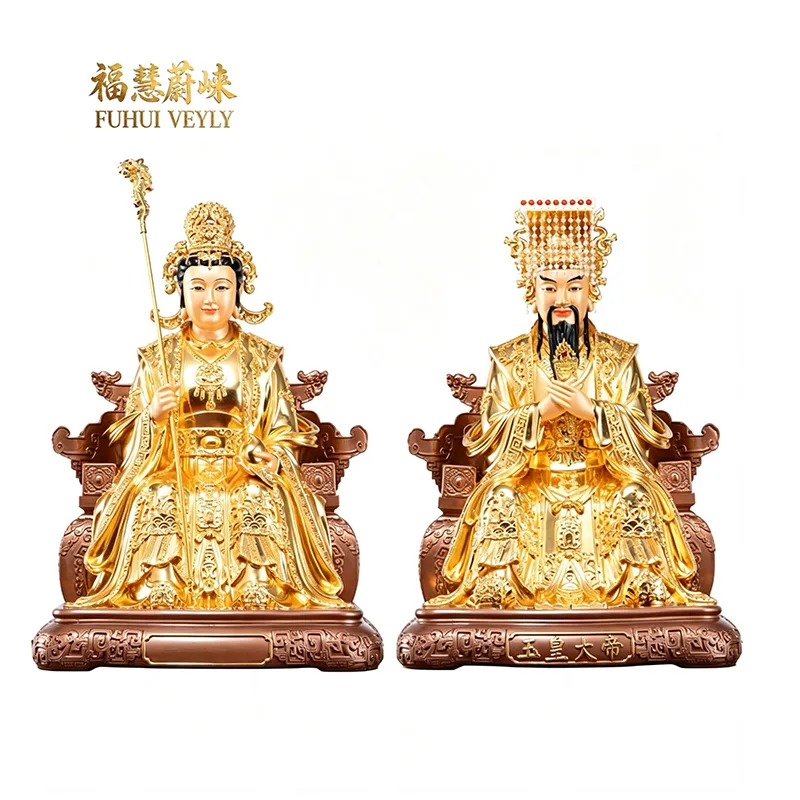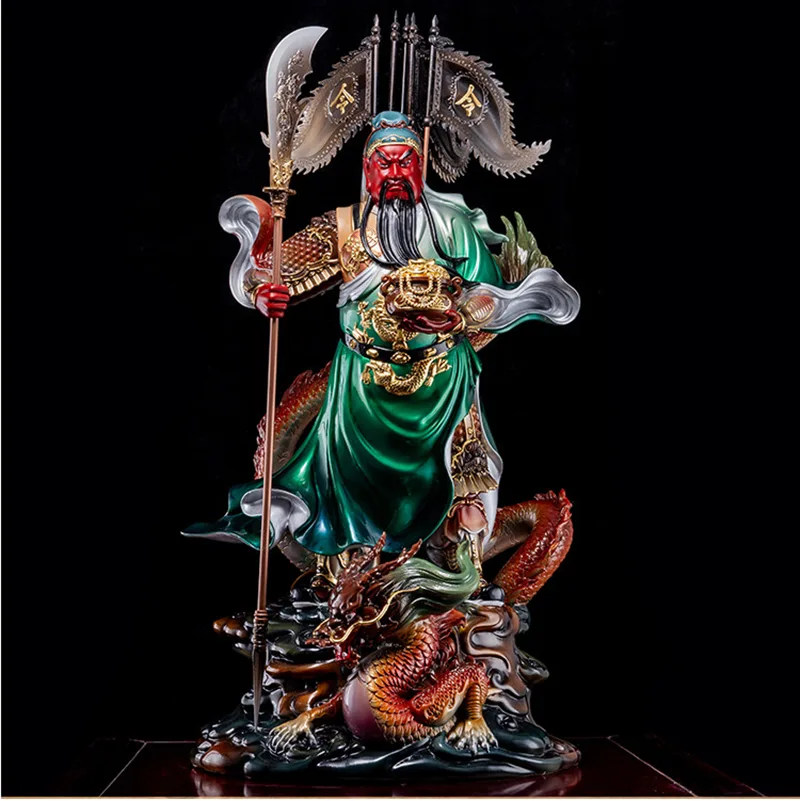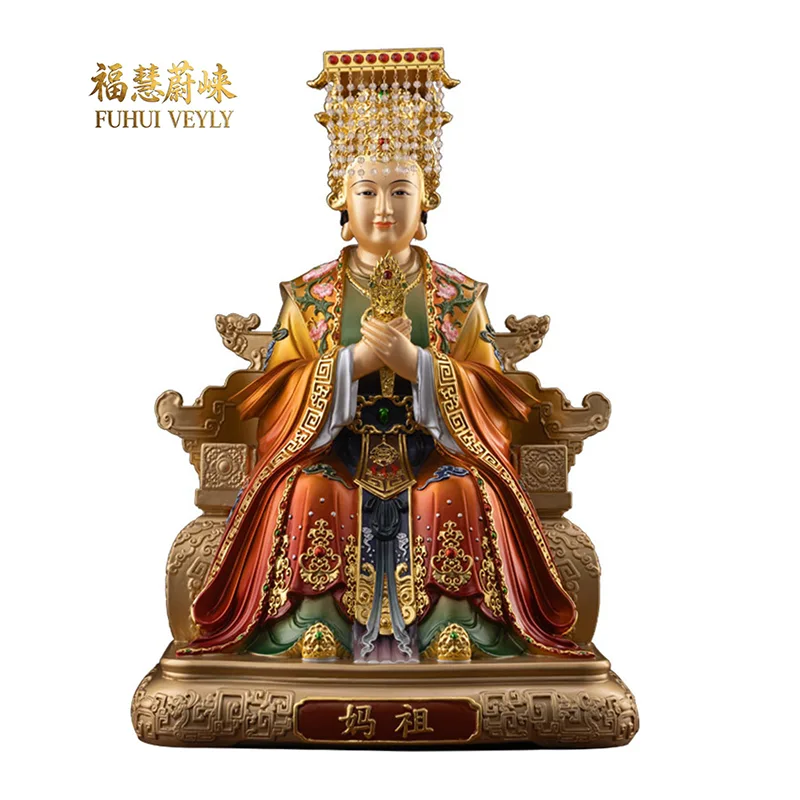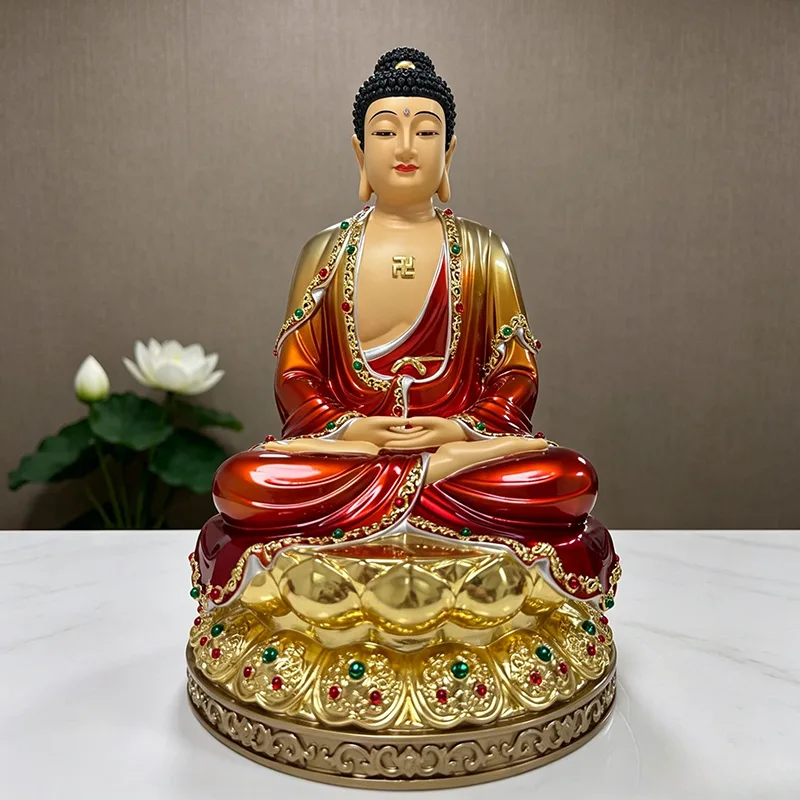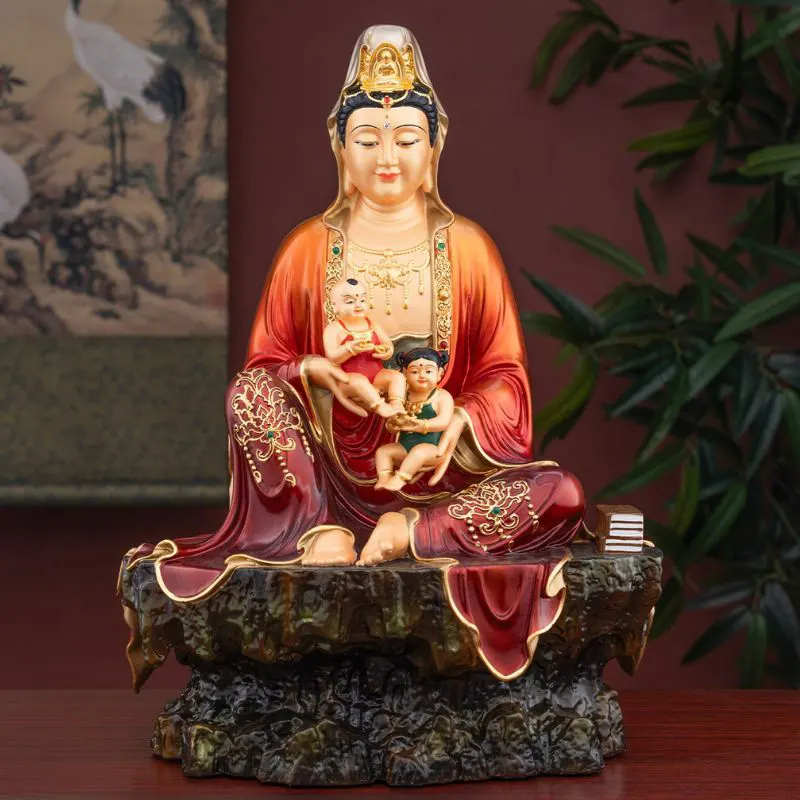
A Guanyin Bodhisattva Statue is more than a decorative Buddhist sculpture. It represents compassion, kindness, protection, and the aspiration to respond to suffering with wisdom and care. Across centuries of Buddhist art, Guanyin has appeared in different poses, materials, garments, and symbolic forms. This guide explains the cultural background of Guanyin, important visual characteristics, common statue styles, material considerations, placement ideas, craftsmanship details, and practical points to consider when choosing a statue for a temple, meditation space, cultural collection, garden, hotel, or private interior.
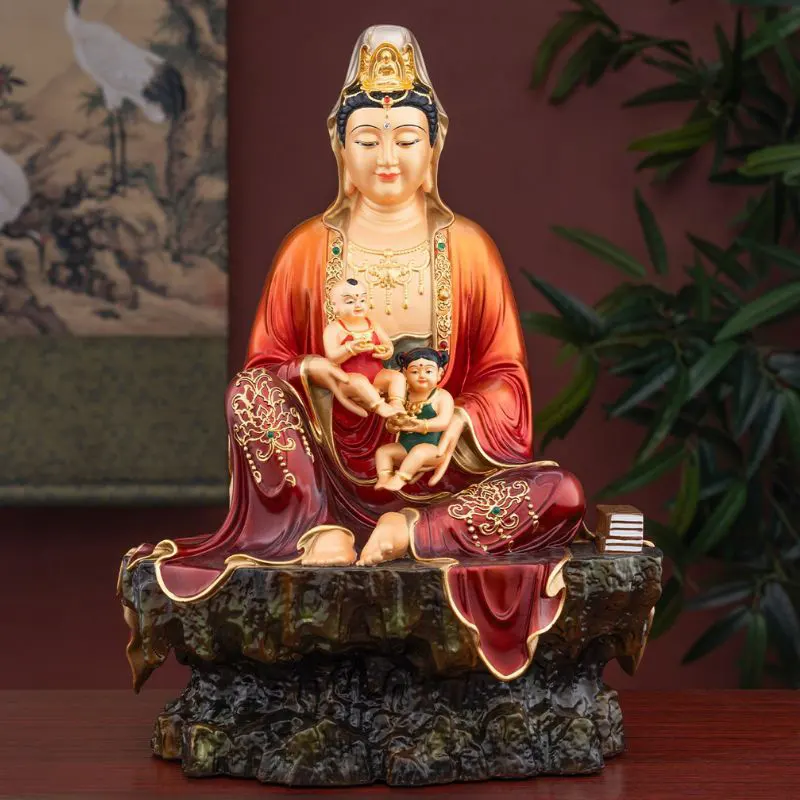
Guanyin is the Chinese name commonly associated with Avalokiteshvara, the bodhisattva traditionally connected with compassion. In Chinese Buddhist art, Guanyin became one of the most recognizable and frequently represented Buddhist figures. Museum collections describe Guanyin as a figure associated with compassion and the response to human suffering.
For this reason, a Guanyin Bodhisattva Statue can communicate a sense of serenity and benevolence even before its religious context is fully understood. The calm facial expression, graceful posture, flowing robes, lotus imagery, and carefully balanced composition often create a visual atmosphere of peace.
For temples and Buddhist spaces, the statue may serve as an object of devotion. For museums and private collectors, it can also represent a significant branch of Asian sculptural history. In contemporary architectural spaces, carefully selected Guanyin sculpture may provide a culturally meaningful focal point without relying on excessive ornamentation.
Guanyin imagery has changed considerably across different periods and regions. In South Asian Buddhist traditions, Avalokiteshvara could be represented as male or androgynous. As Buddhism developed in China, representations gradually acquired distinctive Chinese characteristics, including forms that were increasingly feminine in appearance.
Museum examples show that Avalokiteshvara was already represented in Chinese Buddhist art by the late fourth century. By later periods, recognizable attributes such as a water flask, lotus stem, willow branch, or a small Buddha image in the headdress became important identification features in many representations.
| Period / Context | Common Artistic Characteristics | Why It Matters |
|---|---|---|
| Early Chinese Buddhist Art | Connection with Indian and Central Asian visual traditions | Shows the cultural transmission of Buddhist imagery |
| Sui and Tang Periods | Elaborate garments, jewelry, vessels, willow branches, and distinctive headdresses | Demonstrates the development of recognizable iconography |
| Song to Ming Periods | Greater stylistic variety, including relaxed and contemplative poses | Highlights regional and artistic innovation |
| Modern Interpretation | Traditional symbolism combined with contemporary sculptural presentation | Makes Guanyin suitable for diverse cultural and architectural environments |
When examining a Guanyin Bodhisattva Statue, small details can carry substantial cultural meaning. Recognizing these details helps buyers, collectors, designers, and institutions distinguish between different artistic interpretations.
Importantly, not every Guanyin statue will contain all of these attributes. Historical examples vary significantly. For instance, The Metropolitan Museum of Art documents forms of Guanyin in standing, seated, and Water-Moon configurations, demonstrating the breadth of the tradition.
Choosing a Guanyin statue becomes easier when the intended visual character is defined first. Different forms can create very different impressions even when they represent the same bodhisattva.
Suitable for spaces requiring a strong vertical focal point. The upright composition can emphasize dignity and openness.
A natural choice for meditation rooms, temple interiors, study areas, and spaces where tranquility is the primary visual goal.
A contemplative form characterized by a relaxed pose. Historical examples demonstrate its important place within Chinese Buddhist sculpture.
Some traditions portray Avalokiteshvara or Guanyin with multiple arms, expressing the ability to reach and assist beings in many circumstances.
Material selection affects not only appearance but also weight, maintenance, surface texture, installation requirements, and the overall atmosphere of a sculpture.
| Material | Visual Character | Common Considerations |
|---|---|---|
| Wood | Warm, natural, handcrafted | Indoor environment, moisture control, surface care |
| Bronze / Metal | Solid, refined, traditional | Weight, finish, patina, structural support |
| Stone | Monumental, durable, architectural | Transportation, installation, foundation requirements |
| Ceramic / Porcelain | Fine surface, elegant, decorative | Fragility, glaze quality, handling |
A high-quality Guanyin Bodhisattva Statue should be evaluated from more than a distance. Fine craftsmanship becomes particularly visible in the face, hands, garment folds, ornaments, lotus pedestal, and transitions between different parts of the sculpture.
Practical tip: Ask for close-up photographs of the face, hands, accessories, surface finish, and base before purchasing a large or customized sculpture. These details often reveal craftsmanship more clearly than a single full-size product image.
Placement should be considered from both cultural and architectural perspectives. A statue intended for a temple altar may require very different dimensions and structural requirements from one designed for a hotel lobby, museum exhibition, private garden, or meditation room.
| Location | Important Considerations |
|---|---|
| Temple or Buddhist Hall | Iconographic accuracy, proportions, altar arrangement, material, and ceremonial context |
| Meditation Room | Calm composition, appropriate scale, unobtrusive surroundings |
| Hotel or Commercial Interior | Interior style, visitor circulation, lighting, dimensions, and cultural presentation |
| Outdoor Garden | Weather resistance, drainage, foundation, transportation, and long-term surface maintenance |
| Private Collection | Personal aesthetic preference, historical interest, available display space, and preservation needs |
Buyers often focus heavily on appearance while overlooking dimensions, materials, installation, packaging, and customization. A structured checklist can make the purchasing process more efficient.
A Guanyin statue can occupy an interesting position between religious sculpture, traditional craftsmanship, and cultural art. Historical museum collections demonstrate how representations of Avalokiteshvara developed across centuries and regions, with examples in bronze, wood, stone, porcelain, and other media.
For collectors, this diversity creates opportunities to explore differences in artistic style, period, material, posture, surface treatment, and regional interpretation. A well-selected sculpture can become a long-term cultural centerpiece rather than simply a decorative object.
For architectural and hospitality projects, a Guanyin sculpture can also contribute to a distinctive sense of place. However, cultural symbolism should be treated respectfully. The surrounding design, lighting, positioning, and explanatory information should support the character of the artwork rather than turning its religious meaning into a superficial decorative theme.
For buyers looking for professionally crafted Buddhist sculptures, working with an experienced art manufacturer or sculpture supplier can simplify the process from concept development to finished artwork. Fuhui Art Collection Co., Ltd. focuses on traditional Chinese Buddhist art and sculpture, offering solutions for customers who require carefully developed statues for cultural, religious, architectural, and collection purposes.
Custom projects can require more than selecting a standard design. Dimensions, pose, facial expression, material, color, surface treatment, pedestal style, installation environment, and packaging may all need to be coordinated. Clear communication at the beginning of a project can help ensure that the final sculpture fits both the intended visual effect and the practical conditions of its destination.
When commissioning a Guanyin Bodhisattva Statue, buyers should provide as much project information as possible, including the intended location, required dimensions, preferred material, reference images, quantity, installation conditions, and desired artistic characteristics. This gives the production team a clearer foundation for developing an appropriate sculpture.
Guanyin is traditionally associated with compassion and responding to suffering. In Chinese Buddhist art, the figure became one of the most widely represented bodhisattvas.
Guanyin is the Chinese name commonly used for Avalokiteshvara. The figure is known by different names in different Buddhist cultures, including Kannon in Japan and Gwaneum in Korea.
Earlier representations of Avalokiteshvara in South Asian and Tibetan Buddhist contexts could be male or androgynous. In China, representations gradually developed feminine characteristics, and female forms became particularly common in later Chinese art.
Historical and contemporary sculptures can be made from materials such as wood, bronze, other metals, stone, ceramic, and porcelain. Museum collections provide examples ranging from gilt bronze to carved wood and porcelain.
The willow branch appears in some Chinese representations of Avalokiteshvara and has been associated with healing. A late sixth-century Chinese sculpture in The Metropolitan Museum of Art is identified as one of the early examples of Avalokiteshvara holding a willow branch.
Customization can include dimensions, pose, material, surface treatment, pedestal design, color, and other artistic details. For large architectural or institutional projects, customization is particularly useful when the sculpture must fit a specific space.
Installation depends on the material, weight, dimensions, location, foundation, and whether the sculpture is intended for indoor or outdoor use. Large statues should be assessed for transportation, lifting, anchoring, structural support, and site access before production is finalized.
Yes. A carefully selected sculpture can be integrated into hotels, cultural centers, gardens, meditation spaces, private residences, museums, and other architectural environments. The key is to maintain appropriate scale, visual balance, and respect for the cultural significance of the subject.
A Guanyin Bodhisattva Statue brings together centuries of Buddhist tradition, regional artistic development, symbolic imagery, and sculptural craftsmanship. Understanding the meaning behind the figure, the historical development of Guanyin imagery, the significance of individual attributes, and the differences between materials and forms can help buyers make more informed decisions.
Whether the purpose is religious devotion, cultural preservation, interior decoration, architectural enhancement, or private collection, the most successful choice begins with a clear understanding of the intended setting and artistic requirements. Attention to proportion, expression, material, craftsmanship, installation, and cultural context can make the finished sculpture more meaningful and enduring.
Looking for a professionally crafted Guanyin Bodhisattva Statue tailored to your space, artistic requirements, or cultural project? Share your preferred dimensions, materials, style references, and installation environment with Fuhui Art Collection Co., Ltd. to discuss your project requirements and explore a suitable sculpture solution. Contact Us.