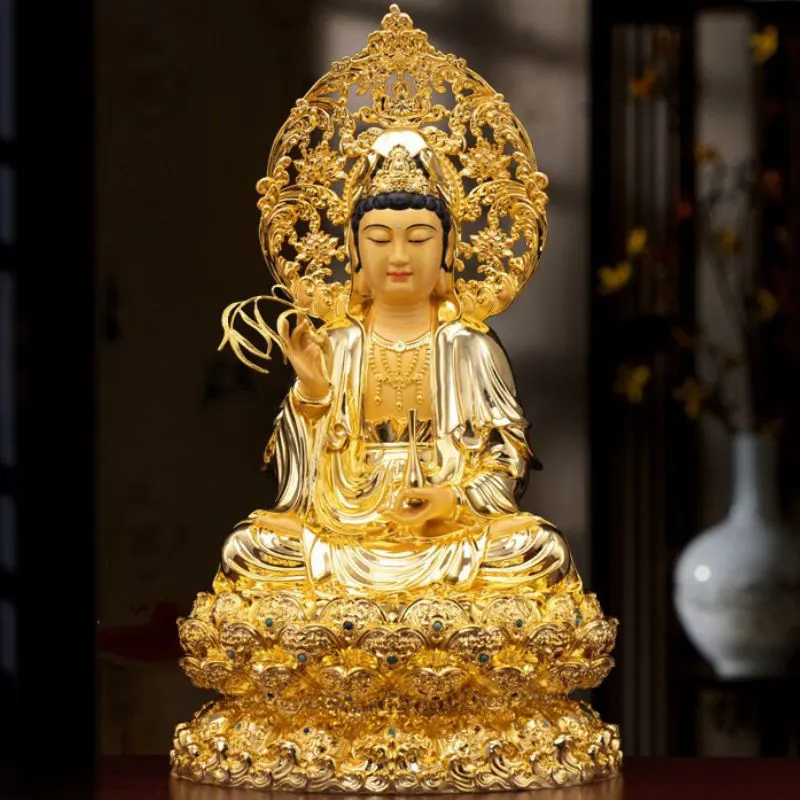
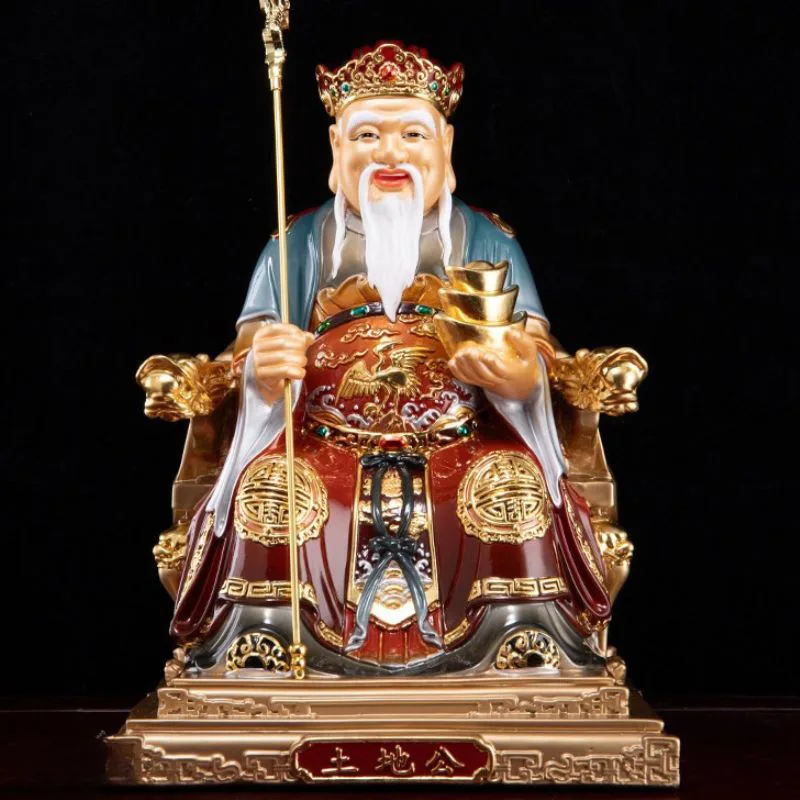
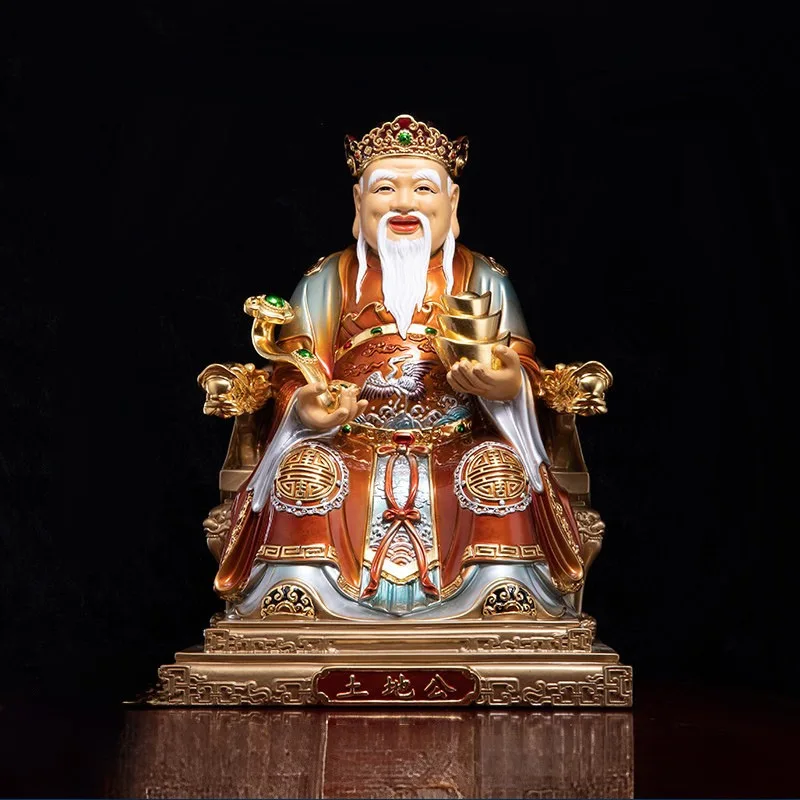
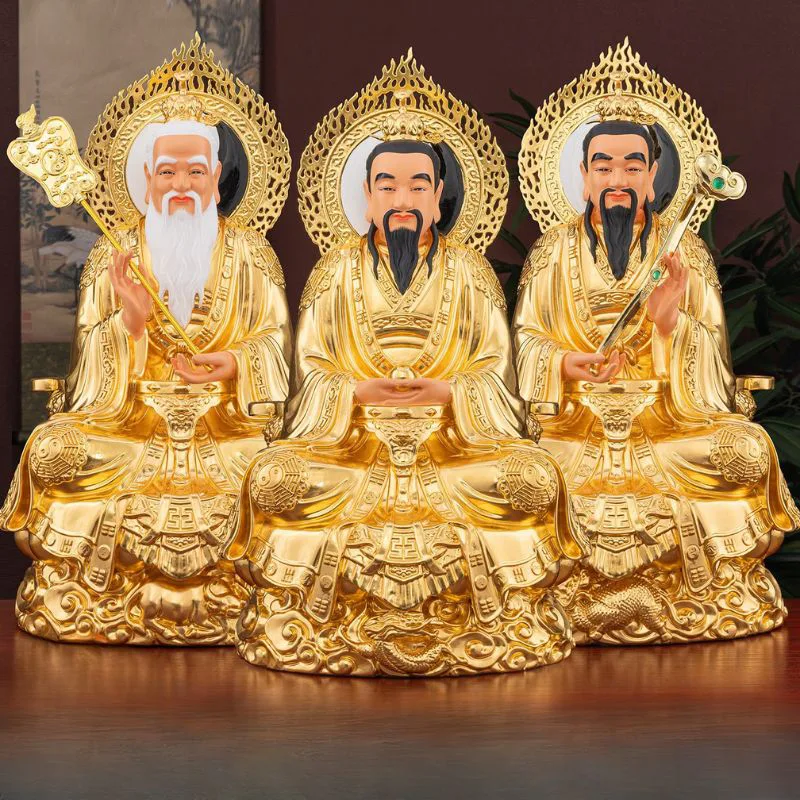
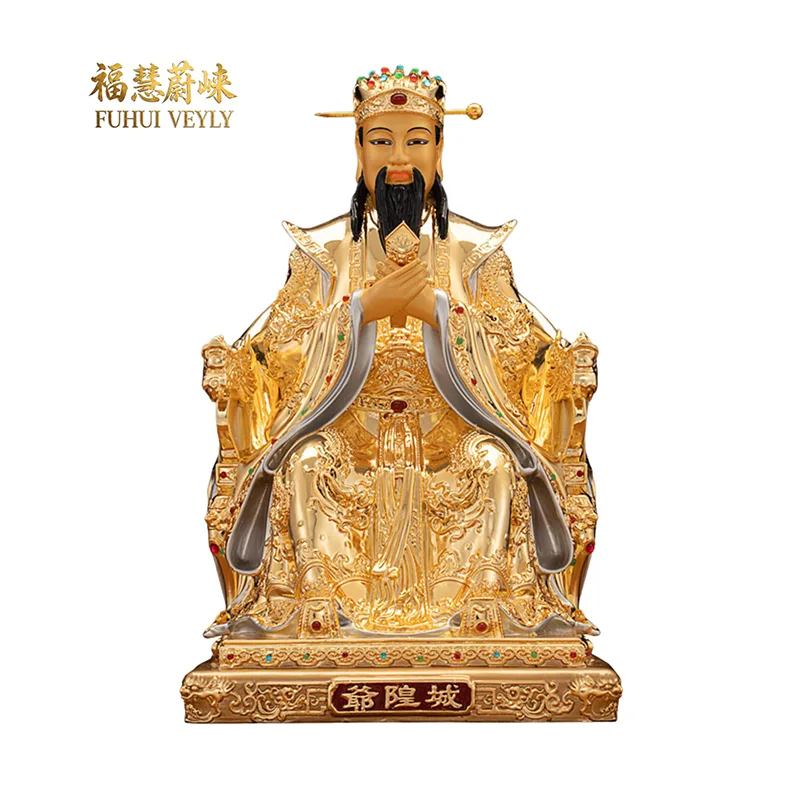
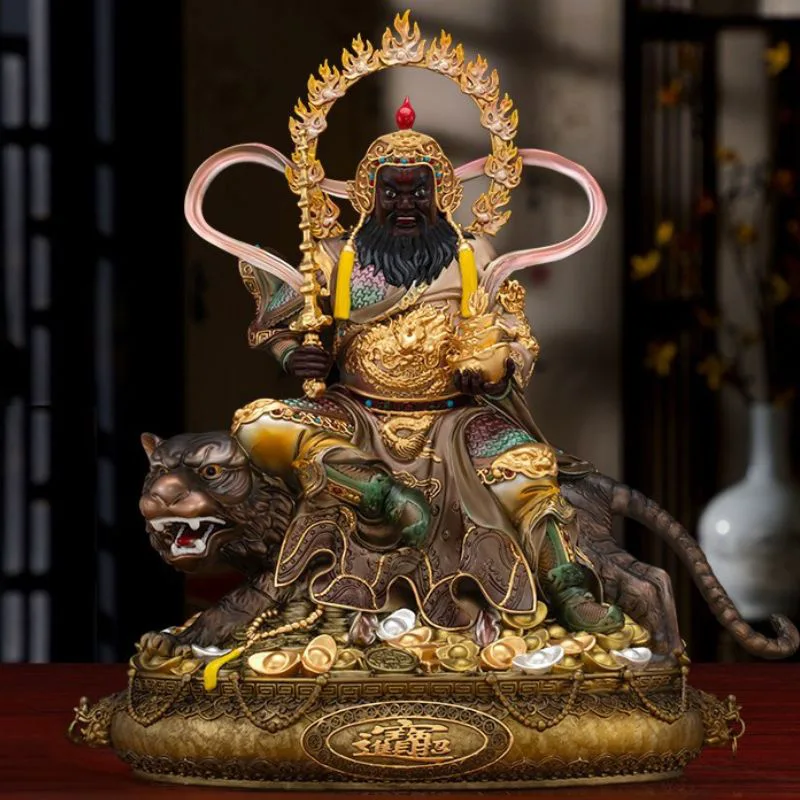
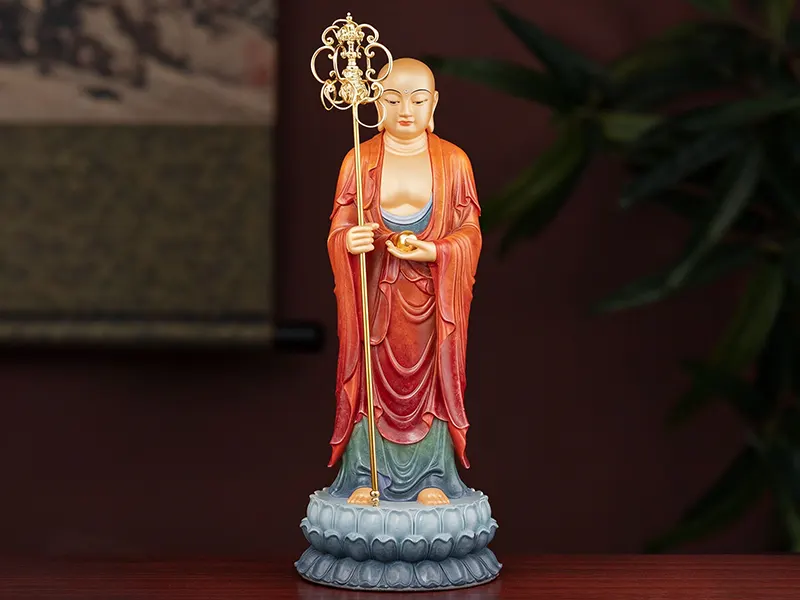
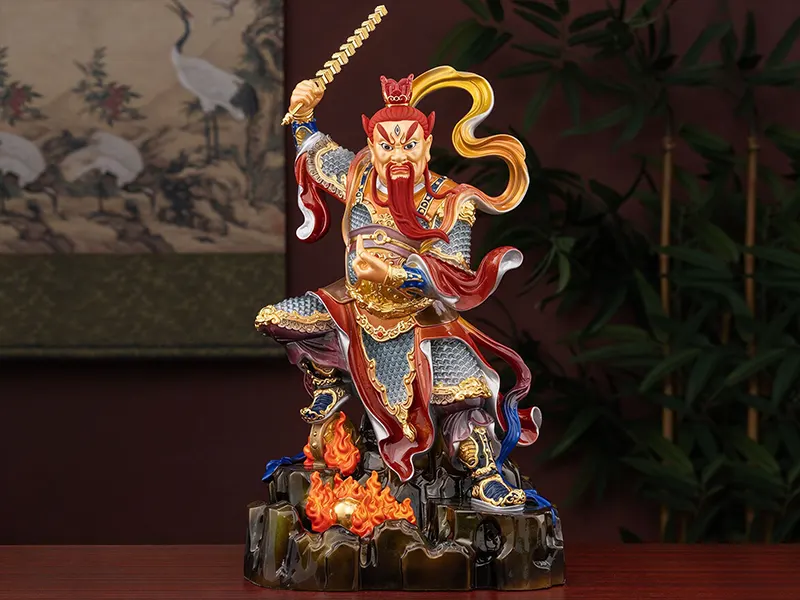
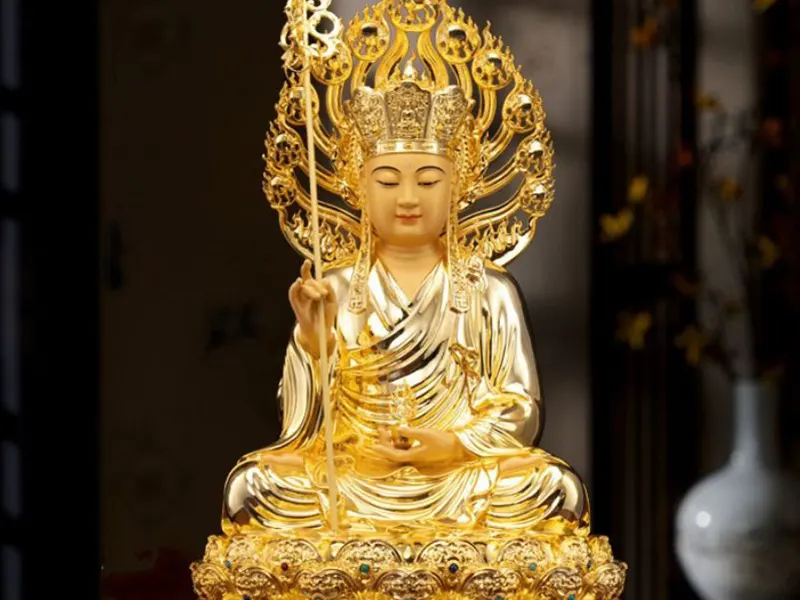
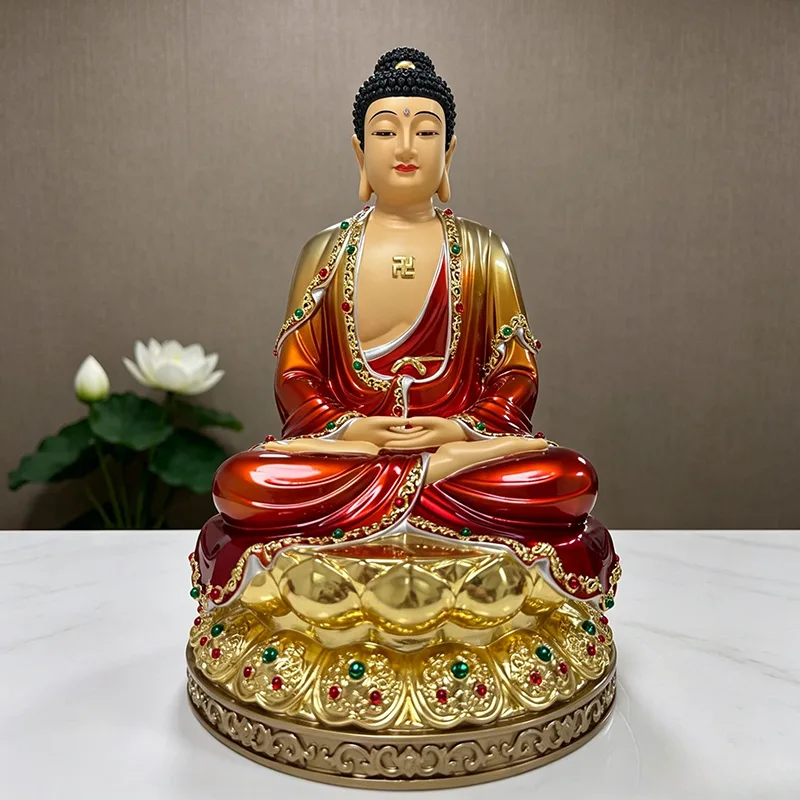
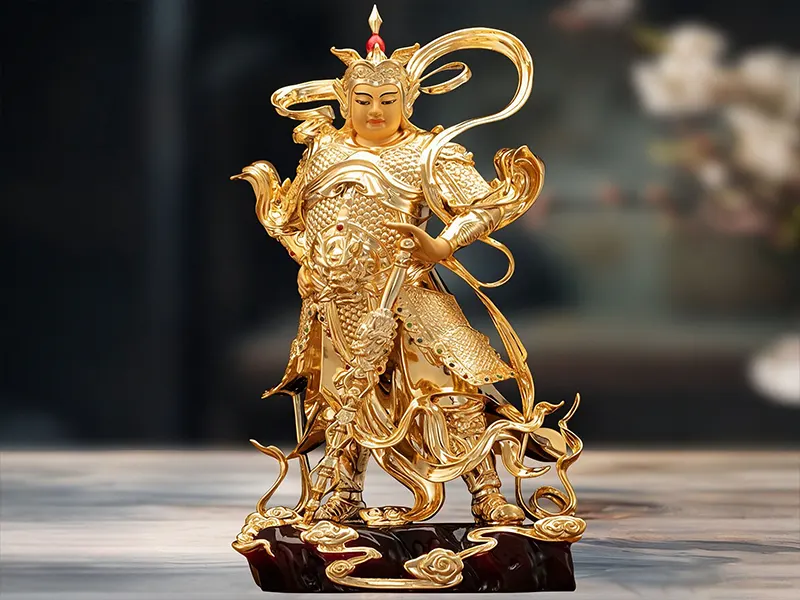
Buddhist deity statues represent the pinnacle of ancient Asian metal casting art, integrating religious doctrine, canonical iconography, exquisite craftsmanship and aesthetic concepts. The casting of these sacred figures is never a random artistic creation but a standardized, ritual-oriented craft with distinct technical, structural and stylistic characteristics. Centered on traditional lost-wax casting and sectional assembly techniques, combined with exclusive material formulas and canonical proportional norms, Buddhist deity castings have formed unique artistic features that differ from ordinary metal sculptures.
1. Dominant Lost-Wax Casting Technology with Unique Uniqueness
The lost-wax casting method is the core and most widely used technique for manufacturing high-quality Buddhist deity statues across South, Southeast and East Asian Buddhist regions, including Nepal, Tibet, China and Japan. This sophisticated traditional process determines the fine texture and artistic uniqueness of Buddhist icons. The complete procedure starts with sculpting a precise prototype of the deity using refined beeswax on a breathable clay core mixed with rice husks or horse manure to ensure uniform heat dissipation during firing. The wax model, carved with intricate religious details such as robe folds, ritual gestures and facial features, is then fully wrapped in multi-layered outer clay molds.
After high-temperature calcination, the internal wax melts and drains completely—hence the name “lost-wax”—leaving a precise hollow cavity identical to the deity’s form. Molten metal is then poured into the cavity. Since the clay mold is destroyed during demolding, each Buddhist deity statue made by lost-wax casting is an irreplicable unique artwork. This technique enables artisans to carve ultra-fine surface details that cannot be achieved by sand casting, perfectly presenting delicate textures such as delicate hair whorls, patterned kasaya robes and sacred decorative carvings on deities’ accessories.
2. Scientific and Ritual-Based Alloy Material Proportioning
Buddhist deity casting adopts exclusive metal alloy formulas that balance durability, solemn luster and religious connotation, varying slightly across regions but following fixed traditional standards. The mainstream formula takes bronze (copper-tin alloy) as the base material, with moderate addition of lead, silver and gold trace elements. Tin enhances the hardness and mold-filling fluidity of the metal, ensuring the full presentation of fine carving details; lead improves the metal’s ductility, preventing cracking during long-term preservation and post-craft polishing; a small amount of gold and silver is added to endow the statue with a warm, soft and sacred luster, distinguishing sacred Buddhist icons from ordinary folk metal wares.
In regional craftsmanship, small-sized portable Buddhist deities often adopt solid casting with high-purity copper or gold alloy to highlight solemnity, while large-scale monumental statues apply hollow alloy casting. This material collocation not only reduces the overall weight of giant statues and avoids structural deformation but also saves precious metal materials, realizing the perfect unity of structural practicality and religious aesthetics. In addition, the alloy proportioning process is ritualized in traditional craftsmanship, with strict procedural taboos, reflecting the reverence for Buddhist sacredness in the casting process.
3. Strict Canonical Proportional and Iconographic Norms
Different from freehand secular sculptures, the casting of Buddhist deities is strictly restricted by Buddhist canonical texts, with zero arbitrary modification in body proportions, facial features and sacred symbols. Ancient Buddhist scriptures such as the Mahapurusha-lakshana clearly stipulate the 32 major physical marks and 80 minor subtle characteristics of enlightened Buddhist deities, which must be strictly followed in casting.
Classic canonical features include the prominent ushnisha (cranial protuberance symbolizing supreme wisdom), the white urna between the eyebrows representing auspicious light, elongated earlobes signifying compassion and transcendence, webbed fingers and toes, and rounded and full limbs. The overall proportion adheres to the ancient Indian iconometric system: the deity’s body is symmetrical and stable, with broad and thick shoulders, a straight torso and coordinated limb proportions, presenting a dignified, peaceful and solemn demeanor. Even the radian of robe draping, the angle of ritual mudras and the shape of the sacred halo have fixed casting standards, ensuring the religious solemnity and recognizability of Buddhist deities rather than pursuing personalized artistic expression.
We use cookies to offer you a better browsing experience, analyze site traffic and personalize content. By using this site, you agree to our use of cookies.Privacy Policy